In today’s digital age, utilizing mobile apps and online tools can significantly enhance your engagement with LDS resources. Here’s how you can make the most of these tools and foster meaningful discussions about their benefits.
Explore LDS Mobile Apps
Once you have an LDS Account, a world of free mobile apps is at your fingertips. Popular apps like Gospel Library and LDS Tools provide valuable resources and functionalities that can support your spiritual growth and daily activities. To discover all available apps and gain access to those that suit your needs, visit the designated LDS site for app details.
Access Your Patriarchal Blessing
Patriarchal blessings offer personalized guidance and insight. If you need to request a copy of your patriarchal blessing or that of a direct-line ancestor, follow these steps:
Go to the upper right corner of LDS.org and select “My Account and Ward.”
Under “My Account,” click on “Patriarchal Blessing.”
This process allows you to access and reflect on these significant spiritual documents with ease.
Create and Use Your Mormon.org Profile
Share your testimony and experiences by creating a profile on Mormon.org. This platform allows you to express your love for the Savior and His gospel. To set up your profile:
Visit Mormon.org.
Scroll to the bottom of the page.
Click on “Profile” to begin.
Your profile can serve as a testament to your faith and connect you with others who share similar beliefs.
Foster Meaningful Discussions
Encourage discussions about the use of these digital tools and their impact on your life. Consider the following questions to guide your conversations:
What are some benefits of having an LDS Account?
How have uplifting websites and technology impacted your experiences in the past?
What are your thoughts on using technology wisely in your spiritual life?
How can you incorporate what you are learning into your daily practices?
These questions can help participants reflect on their experiences and insights, fostering a deeper understanding of how technology can enhance their spiritual journey.
By leveraging these digital tools and engaging in thoughtful discussions, you can enrich your LDS experience and connect more deeply with your faith.
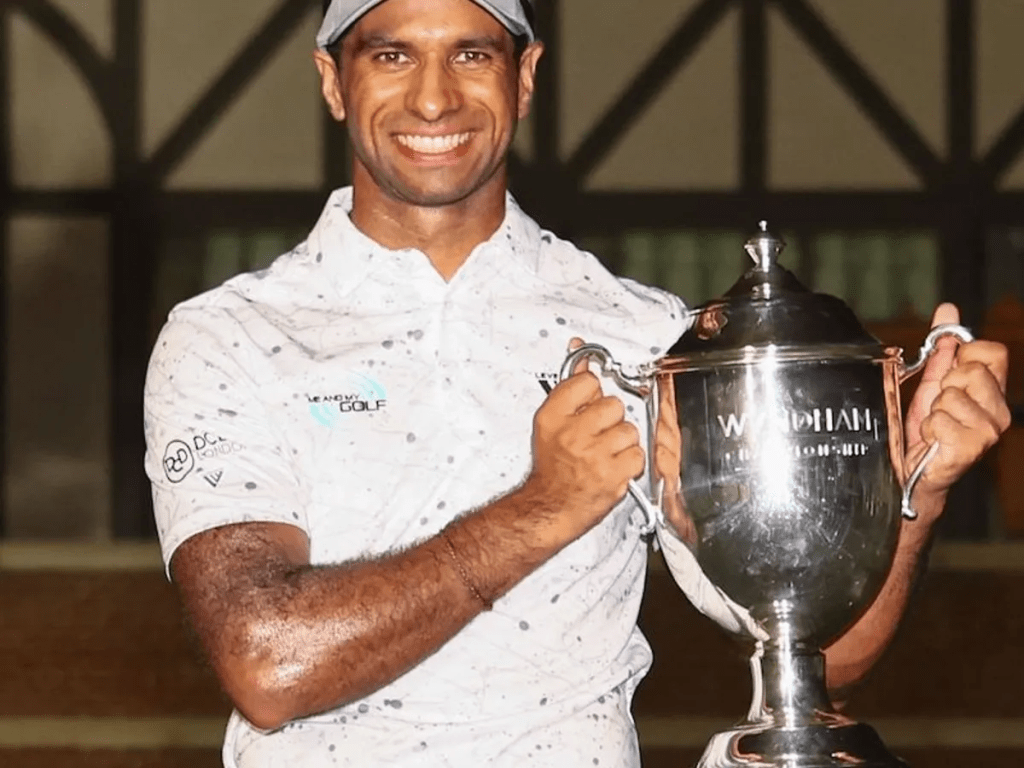
In a thrilling conclusion to the Wyndham Championship, England’s Aaron Rai clinched his first PGA Tour title with a two-shot victory after a dramatic late collapse by leader Max Greyserman.
Rai’s Stunning Comeback
Aaron Rai, 29, showcased his resilience and skill in North Carolina, overcoming a four-shot deficit midway through the back nine. Rai’s impressive final-round 64 propelled him to an 18-under-par finish, securing the win in a dramatic fashion.
Greyserman’s Fall from Grace
Max Greyserman, also 29, appeared to have the championship in hand when he made an eagle on the par-four 13th hole. However, his fortunes took a drastic turn on the 14th hole, where a costly quadruple bogey resulted from driving out of bounds. Greyserman’s attempt to recover with a birdie on the 15th was overshadowed by a troubling four-putt on the par-three 16th, effectively ending his chances of victory. He finished the tournament at Sedgefield Country Club with a 16-under-par score.
Challenges and Conditions
The final day of the Wyndham Championship was marked by challenging conditions, as many golfers had to play 36 holes due to weather disruptions earlier in the tournament. Despite these obstacles, Rai managed to maintain his composure and capitalize on the opportunities presented.
Rai’s Reaction
Reflecting on his achievement, Rai described his win as “truly a dream come true.” He expressed satisfaction with his performance, noting, “I felt pretty calm. I knew the situation. I did just a good job sticking to what we do well.”
Top Performers
J.J. Spaun from the United States and Japan’s Ryo Hisatsune both finished tied for third place at 15 under par, rounding out the top contenders of the tournament.
Impact on the FedEx Cup Standings
With this victory, Rai moved up to 25th in the FedEx Cup standings, marking a significant milestone in his career. The win not only signifies a breakthrough for Rai but also positions him strongly for the upcoming events on the PGA Tour.
In summary, Aaron Rai’s triumph at the Wyndham Championship is a testament to his determination and skill, securing his place in PGA Tour history with a memorable victory.
In the digital age, readers engage with content across various devices and screen sizes, making effective paragraph structuring essential. To enhance readability and keep readers engaged, it’s crucial to break up paragraphs and use clear, concise sentences. This approach not only improves scannability but also ensures that your content is accessible and compelling.
Why Paragraph Structure Matters
Paragraph structure plays a significant role in how readers interact with your content. Online readers often scan text rather than reading every word, so breaking up paragraphs helps them quickly locate the information they need. Short, focused paragraphs are easier to digest and more likely to retain the reader’s attention.
Keep Paragraphs Concise and Focused
Each paragraph should center around a single idea. By doing so, you make it easier for readers to understand and follow your content. Avoid overwhelming readers with lengthy paragraphs that try to convey multiple ideas. Instead, aim for short paragraphs that deliver one clear message at a time.
Breaking Up Long Paragraphs
If a paragraph exceeds five or six sentences, it may be attempting to cover too much information. In such cases, split the paragraph into smaller, more manageable sections. This helps prevent readers from feeling overwhelmed and ensures each point is communicated effectively. However, don’t break up paragraphs arbitrarily. Ensure each new paragraph continues to address a single, coherent idea.
Use Short Sentences for Clarity
Short sentences contribute to clarity and readability. Long, complex sentences can be challenging to follow, especially on smaller screens. By using shorter sentences, you make your content more accessible and easier to understand. Aim to convey your message in as few words as possible without sacrificing meaning.
Balancing Single-Idea Paragraphs
While short paragraphs are generally preferred, it’s acceptable to have a longer paragraph if it focuses on a single idea. Such paragraphs can provide depth and detail, but ensure they remain on topic. Avoid letting longer paragraphs become a jumble of unrelated thoughts.
The Importance of Scannability
Incorporating subheadings and bullet points can further enhance scannability. These elements break up the text visually, allowing readers to quickly navigate through the content. Subheadings should be relevant to the sections they introduce, providing a clear roadmap of what to expect.
Final Thoughts
Effective paragraph structuring is crucial for engaging and retaining readers. By focusing on single ideas per paragraph, using shorter sentences, and avoiding lengthy blocks of text, you create a more readable and user-friendly experience. Remember, the goal is to communicate your message clearly and efficiently, adapting to how modern readers consume content.
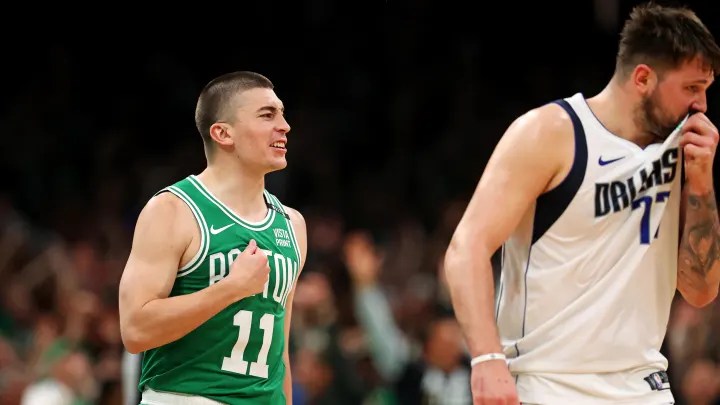
Steve Kerr, known for his strategic acumen and ability to lead teams to victory, made the decision to bench Tatum as part of a broader strategy involving team dynamics and performance. According to Kerr, the decision was not a reflection of Tatum’s individual performance but rather a strategic move based on the needs and chemistry of the team.
“It’s not about anything Jayson is doing or not doing,” Kerr explained. “It’s just about combinations and the way that group has played together, the way Kevin has filled in since he came back from his injury. It’s just a math problem more than anything.”
Analyzing Team Dynamics
In sports, particularly at the elite level, team chemistry and strategic fit are crucial. Kerr’s approach highlights a critical aspect of coaching: balancing individual talent with team performance. Tatum, while a standout player, was one of several key contributors to Team USA’s success. The decision to bench him was not a slight against his abilities but rather a tactical move to ensure the best possible lineup for each game situation.
Roster Combinations and Chemistry
Kerr’s decision was influenced by the need to find the right combinations of players on the court. In high-stakes games, the synergy between players can significantly impact the outcome. By adjusting the lineup, Kerr aimed to optimize how players interact and complement each other’s skills, which can sometimes mean benching even the most talented individuals temporarily.
Injury Recovery and Player Fit
Kevin Durant’s return from injury presented a new dynamic for the team. Integrating a player of Durant’s caliber required adjustments in how the team was structured. Kerr’s decision to experiment with different lineups, including those without Tatum, was part of ensuring that Durant and other key players could fit seamlessly back into the team’s strategy.
The Impact on Team USA’s Performance
Despite the controversy, Kerr’s strategy yielded results. Team USA overcame Serbia in the semifinal rematch, demonstrating that the approach had merit. The team’s ability to adapt and overcome challenges speaks to the effectiveness of Kerr’s decisions and the overall depth and flexibility of the roster.
Conclusion
Steve Kerr’s decision to sit Jayson Tatum was not a reflection of the player’s skill or value to the team but rather a strategic choice aimed at optimizing team performance. In the realm of professional sports, decisions are often driven by complex factors beyond individual talent. Kerr’s approach underscores the importance of team dynamics, player fit, and strategic adjustments in achieving success. As Team USA continues to compete, the focus remains on leveraging the strengths of every player to secure victories on the global stage.
In recent years, data visualization has become increasingly prominent in journalism, extending its influence beyond specialized media to general news platforms. This article explores the differences between traditional news formats and those incorporating data visualization, focusing on their effects on reader interest, comprehension, and attitudes toward data visualization. The study involved 700 participants and employed experimental conditions to analyze these variables, revealing significant insights into how data visualization impacts public understanding and attitudes.
Introduction
The digital age has transformed media practices, with a notable shift towards visual and mobile content driven by changing audience preferences (Pérez-Montoro & Veira-González, 2018). As audiences increasingly seek out visually engaging content, media professionals are adapting by producing more innovative and accessible news formats. This shift includes the integration of data visualization tools such as infographics, diagrams, and interactive elements to enhance the clarity and appeal of news (Baker et al., 2001; Bounegru & Gray, 2021).
The COVID-19 pandemic highlighted the importance of data visualization in conveying complex information about health and science (Bao et al., 2020). Despite its growing use, the effectiveness of data visualization in news remains underexplored. This study aims to address this gap by comparing the effects of traditional news and data visualization on public comprehension and attitudes.
Theoretical Framework and State of the Art
Data journalism involves the collection, analysis, and presentation of quantitative information within news stories (Veglis & Bratsas, 2017). Data visualization, a key component of data journalism, leverages visual representation to enhance cognitive processing and understanding of data (Friendly & Denis, 2001; Kirk, 2012). Visualization techniques range from simple graphs to complex simulations, all designed to clarify relationships within data (Manovich, 2011; Pérez-Montoro & Veira-González, 2018).
Historically, data visualization was prevalent in fields like finance and mapping but has more recently expanded into general journalism (Weber & Rall, 2012; Franklin, 2014). Research suggests that combining text with visual elements improves comprehension compared to text alone (Moreno & Valdez, 2005; Bucher & Schumacher, 2006). The advent of interactive and dynamic visualizations has further enhanced their effectiveness, making complex information more accessible (Liu, 2021; Ma, 2021).
The dual-coding theory posits that processing information through both visual and verbal channels enhances memory and comprehension (Paivio, 1971). This theory supports the idea that data visualization can facilitate better understanding by engaging multiple cognitive pathways (Paivio, 1990).
Despite these benefits, there are concerns that excessive or poorly designed visualizations can complicate understanding (Lester, 2000; Brescani & Eppler, 2009). Effective communication of data requires careful design and an understanding of how audiences interact with visual information (Holsanova et al., 2008).
Objectives and Hypotheses
The study’s primary objective is to evaluate the impact of data visualization on public interest, comprehension, and attitudes toward news. Specific hypotheses include:
H1: Data visualization positively affects news interest, leading to improved comprehension.
H1A: This effect is moderated by prior attitudes toward science, data visualization, and data journalism.
H1B: This effect is moderated by prior interest in these topics.
H2: Data visualization enhances news comprehension, leading to more positive attitudes toward data visualization.
Procedure and Sample
The study, conducted in Spain, involved 700 participants. The sample was evenly split by gender, with a mean age of 45.03 years. Participants were randomly assigned to read either a traditional news article or one with data visualization.
The experimental news items focused on COVID-19, with one version featuring interactive graphs and visuals and the other presenting the same information in a traditional text format. Post-reading surveys assessed interest, comprehension, and attitudes toward data visualization.
Results and Discussion
The findings indicated that data visualization significantly enhances news comprehension and fosters more positive attitudes toward the use of data in journalism. Participants exposed to visualized news demonstrated greater understanding and expressed more favorable views on data visualization compared to those who read traditional news.
These results align with the dual-coding theory, highlighting the benefits of engaging both visual and verbal processing systems. The study also underscores the role of prior attitudes and interests in shaping how audiences respond to data visualization, suggesting that tailored visual content can improve news engagement and comprehension.
Conclusion
This research contributes to the understanding of how data visualization influences public comprehension and attitudes toward news. The positive effects observed suggest that incorporating data visualization into news formats can enhance the clarity and appeal of complex information, offering valuable insights for journalists and media professionals aiming to improve audience engagement and understanding.
In the realm of automotive engineering, Honda’s 1.5-liter turbocharged 4-cylinder engine stands as a paragon of performance, efficiency, and dependability. Hailing from the “L-Series” engine family, which has graced roads globally since 2001, this engine has become a benchmark for excellence. Since its U.S. debut in the 2016 Honda Civic, the 1.5-liter Turbo has seen eight iterations, producing between 174 and 205 horsepower (SAE net) across various applications, with over 3 million units sold.
Engine Construction
To ensure minimal weight, the engine block is crafted from die-cast aluminum, augmented with individual reinforced main bearing caps for enhanced structural integrity. The cast-in iron cylinder liners bestow enduring durability. Each journal of the lightweight forged-steel crankshaft is meticulously micropolished to diminish internal friction.
The connecting rods, forged from a lightweight, high-strength steel, are heat-forged in a singular piece and then “crack separated” to produce a robust, yet lightweight rod with a precisely fitted bearing cap.
The pistons, designed with “cavity-shaped” crowns, create a high-tumble intake charge that further refines combustion efficiency. The piston’s skirt is optimized to reduce reciprocating weight, thereby minimizing vibration and enhancing operational efficiency. Twin oil jets, aimed at the underside of each piston crown, maintain piston coolness to prevent detonation, while ion-plated piston rings reduce friction, enhancing overall efficiency.
DOHC Cylinder Head and Valvetrain
The lightweight DOHC cylinder head is composed of pressure-cast aluminum alloy, with the exhaust manifold integrated directly into the cylinder head. This integration eliminates the need for a separate exhaust manifold, streamlining design and reducing weight. Other weight-reduction measures include smaller M12 spark plugs and thin-walled hollow camshafts.
A low-friction, silent chain drives the dual overhead cams, with maintenance-free operation throughout the engine’s lifespan. Sodium-filled exhaust valves are cooled via an exhaust port cooling jacket, as opposed to the enriched fuel mixtures found in many turbocharged engines. This allows for a leaner mixture, reducing emissions, and enhancing both fuel efficiency and power.
Variable Timing Control™ (VTC™) independently adjusts the phase of both intake and exhaust camshafts, optimizing cam timing to match driving conditions. At light loads, valve overlap increases to mitigate pumping losses and improve fuel efficiency. During low engine speeds with high loads, such as initial acceleration, valve overlap is augmented to enhance the scavenging effect, boosting torque and responsiveness. In high-speed, high-load scenarios, overlap is reduced to maximize engine output through improved intake and scavenging.
Introduced with the 2018 Accord, Variable Valve Timing and Lift Electronic Control (VTEC®) has since been incorporated into other engine versions. This system, in synergy with VTC™, adjusts valve lift, timing, and duration of exhaust valves, improving gas scavenging and overall performance across the engine speed spectrum.
Fuel Delivery System
The engine utilizes a high-pressure, direct-injection pump featuring pulsation suppression and variable pressure control to optimize injector performance. Multi-hole injectors deliver fuel directly into each cylinder, enhancing fuel atomization and combustion efficiency.
This precise control allows the multi-hole injectors to create an ideal stoichiometric fuel/air mixture for superior emissions control, adapting to conditions for optimal performance. During cold starts, fuel is injected on the compression stroke, creating a weak stratified charge that aids in startup and minimizes exhaust emissions before reaching normal operating temperature. Once warmed, fuel is injected during the intake stroke, maximizing power and fuel efficiency, with the high-tumble intake port design further improving volumetric efficiency and reducing knock.
Turbocharging System
For enhanced responsiveness, a compact MHI TD03 turbocharger is employed. Its single-scroll housing design enables boost generation even at lower throttle openings and engine speeds. The electrically actuated wastegate provides precise boost pressure control.
Cooling is managed by a large, low-restriction intercooler, strategically positioned at the car’s front to benefit from unobstructed airflow. The intercooler mitigates intake air temperature, increasing density and performance. Lightweight resin composite inlet pipes connect the intercooler, reducing the overall weight of the turbo system.
10th-Generation Civic (2016-2021)
In the U.S., the 1.5-liter Turbo (L15B7) first appeared in the 10th-generation Civic Sedan and Coupe in EX-T, EX-L, and Touring trims. With a peak boost of 16.5 psi, it generates 174 horsepower (SAE net @ 6,000 rpm) and 162 lb.-ft. (SAE net @ 1,700-5,500 rpm), representing a notable increase of 16 horsepower and 24 lb.-ft. of torque over the standard naturally aspirated 2.0-liter engine.
The 10th-generation Civic Hatchback models were also equipped with this turbocharged engine, though the Sport and Sport Touring variants featured the L15BA version, delivering 180 horsepower (SAE net @ 6,000 rpm) with the same boost levels due to a freer-flowing center-exit exhaust system and premium fuel benefits. When paired with a manual transmission and premium fuel, peak torque increased to 177 lb.-ft. (SAE net @ 1,900-5,000 rpm).
The 2017 Civic Si Sedan and Coupe sported a 205-horsepower variant (L15B7 High Output) exclusively with a manual transmission, achieved by increasing boost to 20.3 psi and utilizing premium fuel.
5th-Generation CR-V (2017-2022)
The 2017 model year introduced the 5th-generation CR-V, which included the turbocharged 1.5-liter engine (L15BE) in EX, EX-L, and Touring trims. Since 2020, this engine has been standard across all non-hybrid versions of the compact SUV, producing 190 hp (SAE net @ 5,600 rpm) and 179 lb.-ft. of torque (SAE net @ 2,000-5,000 rpm).
In this application, the pistons have a reshaped crown, lowering the compression ratio from 10.6:1 in the Civic to 10.3:1, and the turbocharger employs a 9-blade turbine impeller to allow an 18.5 psi boost with regular unleaded fuel. The induction system also benefits from a 4% improvement in overall flow.
10th-Generation Accord (2018-2022)
The 10th-generation Accord debuted the 1.5-liter Turbo in LX, EX, EX-L, Touring, and Sport trims. By 2022, it remained available in the Accord LX, Sport, Sport SE, and EX-L trims.
The 1.5-liter Turbo (L15BE with VTEC®) in the Accord closely resembles the CR-V version but features 20.2 psi of turbo boost and the inaugural application of VTEC® on the 1.5-liter Turbo. This integration enhances performance across the rev range by optimizing gas scavenging.
The Accord’s engine includes a new “4 into 2” exhaust manifold design, which groups exhaust from cylinders 1 and 4, and 2 and 3, with separate exit ports to the turbocharger. This design improves exhaust flow efficiency and low-rpm response, resulting in ratings of 192 hp (SAE net @ 5,500 rpm) and 192 lb.-ft. of torque (SAE net @ 1,600-5,000 rpm) on regular unleaded gasoline.
11th-Generation Civic (2022-present)
The 11th-generation Civic Si now features a 200 hp (SAE net @ 6,000 rpm) engine (L15CA) with a redesigned 11-blade turbine impeller, 17.8 psi of boost, VTEC®, and a 10.3:1 compression ratio. This version maintains improved output between its 6,000-rpm peak and 6,600 rpm redline compared to previous Si models and achieves a peak torque of 192 lb.-ft. at 1,800 rpm.
The 11th-generation Civic Sedan EX and Touring trims, along with the Civic Hatchback EX-L and Sport Touring, are powered by the 1.5-liter Turbo (L15B7 with VTEC®). Updates to this engine improve output, fuel efficiency, and emissions. Notably, VTEC® now enhances exhaust cam efficiency, and the “4 into 2” exhaust manifold design aids performance. The turbocharger’s new flow path and reshaped 11-blade turbine impeller further optimize pressure generation.
11th-Generation Accord (2023-present)
The current Accord LX and EX grades feature the refined 1.5-liter turbocharged 4-cylinder engine. Honda continues to advance internal combustion technology, even as it transitions to electrified vehicles. The updated engine delivers 192 horsepower (SAE net @ 6,000 rpm) and 192 lb.-ft. of torque (SAE net @ 1,700-5,000 rpm), showcasing enhanced performance and emissions.
This engine benefits from a high-efficiency, high-response turbocharger, an electrically actuated wastegate, and an advanced valve control system combining intake and exhaust Variable Timing Control (dual VTC) with Variable Valve Timing and Lift Electronic Control (VTEC). This system enhances performance by adjusting valve lift, timing, and duration.
The unique “4 into 2” exhaust manifold design optimizes exhaust flow, and a new catalytic converter aids in achieving LEV3 SULEV 30 emissions certification. Additional features include an idle-stop system for fuel economy and reduced emissions, a high-rig
Since the 2014 coup d’état, Thailand has witnessed a significant transformation in its political discourse, largely driven by the rise of online political communities. As traditional avenues for public expression became increasingly restricted, digital platforms have emerged as critical spaces for political dialogue and activism. This shift has been particularly pronounced in the 2020s, a period marked by the flourishing of youth-led, pro-democracy movements that have harnessed the power of social media to challenge the status quo and advocate for democratic reforms.
The Royalist Marketplace: A Case Study
One of the most notable examples of influential online political groups in Thailand is the Royalist Marketplace, founded by Pavin Chachavalpongpun, a political-exile scholar. This private Facebook group initially attracted over 2 million members and quickly became a focal point for discussions about the Thai monarchy. The group’s discussions, which are often candid and sometimes satirical, offer a critical perspective on an institution that holds a revered status in Thai society.
The significance of the Royalist Marketplace extends beyond its size and engagement. When the original version of the group was geo-locked by the Thai government, Pavin Chachavalpongpun responded by creating a new group. This new iteration saw rapid growth, amassing over 1.1 million members within its first week and reaching a current membership of 2.3 million. The group’s ability to sustain such high levels of engagement demonstrates its substantial impact on the political landscape.
The Role of Major Political Parties in Social Media
In response to the growing influence of online communities, major Thai political parties have established robust presences on various social media platforms. The Move Forward Party (MFP), an opposition party, boasts over a million followers on Facebook. Meanwhile, the Pheu Thai Party (PTP), a key player in the governing coalition, has garnered close to 939,000 followers on the same platform. These parties use social media not only to disseminate information but also to engage with supporters and mobilize political action.
Political candidates themselves have also leveraged social media to build personal brands and connect with voters. Pita Limcharoenrat, for instance, has amassed over 2 million followers across his social media channels. Similarly, Rukchanok “Ice” Srinork, an MFP parliamentarian, engages with her half-a-million followers through platforms like TikTok and Facebook, offering insights into her life as an MP and fostering a more personal connection with her audience.
The Rise of Unofficial Online Sites
In addition to official party and candidate pages, a myriad of unofficial online sites has emerged. These platforms, created by supporters of various parties and candidates, serve as influential information channels. Some of these sites are paid and professionally managed, while others are organic, driven by grassroots enthusiasm. They contribute to the political discourse by providing alternative viewpoints and mobilizing support in ways that traditional media and official channels may not.
Conclusion
The digital transformation of Thailand’s political landscape underscores the growing importance of online communities and social media in shaping public discourse and political engagement. The rise of influential groups like the Royalist Marketplace and the active presence of political parties and candidates on social media platforms reflect a broader shift towards a more dynamic and participatory political environment. As these online spaces continue to evolve, they will undoubtedly play a crucial role in Thailand’s political future, influencing both public opinion and the broader political landscape.
On a commanding Saturday evening, Portugal surged into the knockout stages of Euro 2024 with a decisive 3-0 victory over Turkiye, clinching the top spot in Group F. Bernardo Silva’s exquisite strike in the 21st minute, an inadvertent own goal by Samet Akaydin shortly thereafter, and a second-half tap-in by Bruno Fernandes ensured a seamless triumph before an enthusiastic Turkish contingent in Dortmund. Portugal, with aspirations of securing their second European Championship title following their 2016 conquest, demonstrated their formidable prowess against Vincenzo Montella’s spirited yet limited Turkiye squad.Cristiano Ronaldo, at 39, remains poised for additional opportunities to set a record as the oldest goalscorer in European Championship history. Coach Martinez affirmed on Friday that Ronaldo is in optimal condition to participate in matches every few days. Ronaldo, displaying his characteristic selflessness, set up Fernandes for a straightforward goal in the 56th minute after navigating Turkiye’s offside trap. Post-match, Ronaldo even took a moment to pose for a selfie with a young fan who had ventured onto the pitch midway through the second half.Martinez’s squad, having amassed a perfect six points, is set to face one of the four best third-place teams in the next round and will approach their final group encounter against Georgia with no pressure. Conversely, Turkiye faces a critical showdown against the Czech Republic on Wednesday, needing at least a draw to secure second place.Turkiye’s ardent supporters thronged the Westfalenstadion in droves, with extensive traffic congestion surrounding the venue hours before the 6:00 p.m. (1600 GMT) kick-off. Fans perched atop vehicles led chants amidst the sea of supporters inching toward the stadium. Once inside, the predominantly Turkish crowd unleashed a cacophony of whistles and jeers as Portugal commenced their pre-match warm-up.However, the disparity in quality between the two teams became evident once the match began. Portugal took the lead through Silva, who confidently dispatched Nuno Mendes’s deflected low cross. Shortly thereafter, Akaydin’s ill-fated backpass inadvertently handed Portugal a two-goal advantage as Zeki Celik and goalkeeper Altay Bayindir struggled in vain to avert the ball from crossing the line.These early goals and the dominant display by the Portuguese players subdued the passionate crowd. The match’s outcome was solidified when Fernandes converted a pass from his former Manchester United teammate Ronaldo. Portugal’s supporters then amplified their celebrations, reveling in their progression to the last 16.Midway through the second half, the stadium erupted in applause as a diminutive fan dashed onto the pitch. The interruption occurred as Nelson Semedo replaced Joao Cancelo for Portugal. The young fan, seizing the opportunity, managed to secure a photo with a bemused Ronaldo before embarking on a playful sprint, evading security personnel until he was eventually escorted off the field. Ronaldo’s amusement waned when several larger fans attempted to replicate the stunt for selfies, only to be met with boos and denied photos before being escorted away by stewards.
Dani Flow, a notable figure in the music industry, recently came under fire for his inflammatory comments regarding the sexual abuse case involving YouTuber Ricardo González, popularly known as “Rix,” and Nath Campos. The case gained significant attention in 2021 when González admitted guilt in the sexual abuse of Campos and was subsequently granted bail. Flow’s remarks, made in Spanish, have sparked outrage and controversy across various social media platforms and beyond.
In a shocking statement, Dani Flow expressed his disdain for Campos and others who have been vocal about the incident. He was quoted as saying, “That girl is worthless. I hate those girls and the ones who go out to vandalize the streets. They shouldn’t even be called girls.” His comments reflect a troubling disregard for the gravity of the situation and the victims involved. By labeling Campos and others who protest as “worthless,” Flow not only trivializes the trauma experienced by victims but also promotes a harmful narrative that undermines the validity of their experiences.
Flow’s critique extended beyond the specific case to a broader commentary on feminist movements and protests. He voiced his disapproval of feminist activism, expressing a desire that his daughter would not engage with such movements. “I don’t have a problem with people’s ideas, but I do have issues with them going out and causing chaos,” he remarked. This statement reveals a dismissive attitude towards the feminist cause, which seeks to address and combat systemic issues of gender inequality and violence. By labeling feminist protests as “chaos,” Flow’s comments seem to dismiss the legitimate grievances and demands for justice that these movements represent.
The backlash against Dani Flow is not only a reaction to his controversial statements but also an indication of broader concerns about the ideological stances prevalent among today’s youth. His remarks challenge the assumption that younger generations are inherently more progressive and socially aware. Instead, his comments suggest that misogynistic and regressive viewpoints still persist within this demographic, raising questions about the true nature of their social consciousness.
Furthermore, the role of social media in facilitating and amplifying such harmful rhetoric cannot be overlooked. Platforms that allow individuals to express their opinions, whether anonymously or openly, have also become venues for the propagation of misogynistic and hateful discourses. Dani Flow’s comments are a stark reminder of how these platforms can be used to perpetuate negative and dangerous ideologies, influencing the perspectives and behaviors of young audiences.
The intersection of celebrity influence and social media dynamics presents a complex landscape where public figures like Dani Flow wield significant power in shaping public opinion. The controversial nature of his statements underscores the responsibility that comes with such influence, highlighting the need for greater accountability and sensitivity in public discourse.
In conclusion, Dani Flow’s comments on the sexual abuse case involving Ricardo González and Nath Campos, as well as his disparaging remarks about feminist movements, have sparked significant controversy. His statements not only reflect a troubling disregard for the victims of sexual violence but also raise concerns about the ideological inclinations of today’s youth and the role of social media in perpetuating harmful narratives. The backlash against Flow serves as a critical reminder of the importance of addressing and challenging misogynistic and regressive viewpoints in both public and private spheres.
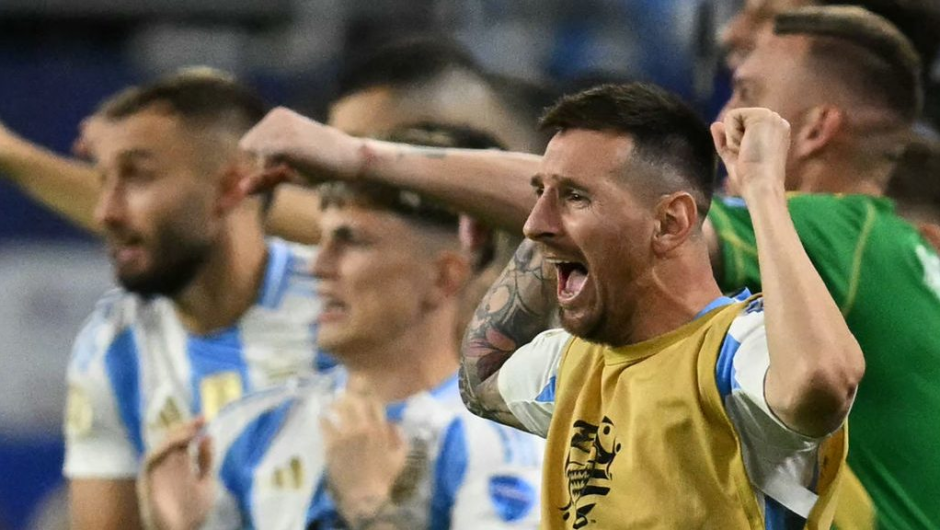
Argentina es conocida por su habilidad para enfrentarse a finales reñidas y emocionantes, ya sea en la victoria o en la derrota. La selección argentina de fútbol, bajo la dirección de Lionel Scaloni, ha demostrado que solo sabe ganar, y en esta ocasión reafirmó su dominio en el fútbol mundial con una victoria que podría marcar el cierre de una era histórica. En una final vibrante, Argentina venció a Colombia 1-0 en tiempo extra, consolidando su estatus como el mejor equipo del mundo.
Un Torneo con Menos Presión para la Albiceleste
La selección argentina llegó a la final con una notable ventaja en términos de preparación y confianza. A diferencia de Colombia, que tuvo que enfrentarse a desafíos más exigentes a lo largo del torneo, Argentina disfrutó de un camino relativamente menos complicado debido a las llaves que le tocaron. Esta diferencia en el nivel de competencia no desmerece el logro de Argentina, sino que resalta la consistencia y la calidad del equipo a lo largo del torneo.
Lionel Messi: Un Líder Histórico
El regreso de Lionel Messi a su mejor forma fue un factor clave en el éxito de Argentina. Como líder indiscutible de la selección, Messi no solo aportó su talento y experiencia en el campo, sino que también ofreció una inspiración emocional para sus compañeros. Su capacidad para guiar al equipo a través de momentos críticos y su habilidad para marcar la diferencia en situaciones decisivas fueron evidentes en esta final. La presencia de Messi en el equipo representa la culminación de una generación dorada, una que ha experimentado tanto la alegría de la victoria como la tristeza de la derrota.
La Fortaleza de Argentina en la Final
En el partido decisivo contra Colombia, Argentina mostró una fortaleza que ha sido característica de su desempeño en torneos recientes. La final fue un enfrentamiento emocionante y competitivo, con ambos equipos luchando ferozmente por el título. A pesar de la calidad y el espíritu de lucha demostrado por Colombia, fue Argentina quien se impuso en el tiempo extra con un gol decisivo que selló su victoria. Este triunfo no solo refleja la habilidad técnica del equipo, sino también su fortaleza mental y capacidad para manejar la presión en momentos críticos.
La Confirmación del Dominio Argentino
Con esta victoria, Argentina no solo ganó el campeonato, sino que también reafirmó su posición como el equipo de fútbol más dominante del mundo en la última década. La capacidad de Argentina para mantener el favoritismo y la seguridad del campeón a lo largo de la competencia es un testimonio de la calidad y la profundidad de su equipo. Este triunfo marca el cierre de una era de jugadores legendarios y representa la continuación de una tradición de excelencia en el fútbol argentino.
Colombia: Un Rival Digno
A pesar de la derrota, Colombia demostró ser un oponente digno en la final. El equipo colombiano, que fue el mejor en términos de fútbol durante la competencia, presentó un desafío significativo para Argentina. La calidad del juego de Colombia a lo largo del torneo y su desempeño en la final reflejan el crecimiento y el potencial del fútbol en el país. La selección colombiana, aunque no logró el título, dejó una impresión duradera y demostró que está en camino de convertirse en una fuerza importante en el fútbol mundial.
Reflexión sobre la Era Dorada de Argentina
La victoria de Argentina en esta final marca el final de una era dorada para el fútbol argentino, caracterizada por una generación de jugadores legendarios y un éxito constante en torneos internacionales. La combinación de talento individual, liderazgo inspirador y una mentalidad ganadora ha definido esta era y ha dejado una marca indeleble en la historia del fútbol. A medida que Argentina celebra su éxito y se prepara para el futuro, el legado de esta generación continuará influyendo en el deporte y en los aficionados de todo el mundo.
El Futuro del Fútbol Argentino
Mientras Argentina celebra su reciente victoria, el futuro del fútbol argentino parece prometedor. La generación de jugadores que ha dominado el escenario internacional está haciendo espacio para una nueva ola de talentos jóvenes, que seguramente continuarán la tradición de excelencia. Con un enfoque en el desarrollo y el crecimiento continuo, Argentina seguirá siendo una potencia en el fútbol mundial y un referente para los equipos de todo el planeta.
Conclusión
El triunfo de Argentina en la final contra Colombia es un testimonio de la habilidad, el liderazgo y la fortaleza de una selección que ha demostrado ser la mejor del mundo. Con una combinación de talento excepcional y un espíritu indomable, Argentina ha cerrado una era histórica y ha establecido un estándar de excelencia en el fútbol. Mientras se despide de una generación dorada, el país se prepara para enfrentar el futuro con la misma pasión y determinación que ha caracterizado su éxito en los últimos años.






 On a commanding Saturday evening, Portugal surged into the knockout stages of Euro 2024 with a decisive 3-0 victory over Turkiye, clinching the top spot in Group F. Bernardo Silva’s exquisite strike in the 21st minute, an inadvertent own goal by Samet Akaydin shortly thereafter, and a second-half tap-in by Bruno Fernandes ensured a seamless triumph before an enthusiastic Turkish contingent in Dortmund. Portugal, with aspirations of securing their second European Championship title following their 2016 conquest, demonstrated their formidable prowess against Vincenzo Montella’s spirited yet limited Turkiye squad.Cristiano Ronaldo, at 39, remains poised for additional opportunities to set a record as the oldest goalscorer in European Championship history. Coach Martinez affirmed on Friday that Ronaldo is in optimal condition to participate in matches every few days. Ronaldo, displaying his characteristic selflessness, set up Fernandes for a straightforward goal in the 56th minute after navigating Turkiye’s offside trap. Post-match, Ronaldo even took a moment to pose for a selfie with a young fan who had ventured onto the pitch midway through the second half.Martinez’s squad, having amassed a perfect six points, is set to face one of the four best third-place teams in the next round and will approach their final group encounter against Georgia with no pressure. Conversely, Turkiye faces a critical showdown against the Czech Republic on Wednesday, needing at least a draw to secure second place.Turkiye’s ardent supporters thronged the Westfalenstadion in droves, with extensive traffic congestion surrounding the venue hours before the 6:00 p.m. (1600 GMT) kick-off. Fans perched atop vehicles led chants amidst the sea of supporters inching toward the stadium. Once inside, the predominantly Turkish crowd unleashed a cacophony of whistles and jeers as Portugal commenced their pre-match warm-up.However, the disparity in quality between the two teams became evident once the match began. Portugal took the lead through Silva, who confidently dispatched Nuno Mendes’s deflected low cross. Shortly thereafter, Akaydin’s ill-fated backpass inadvertently handed Portugal a two-goal advantage as Zeki Celik and goalkeeper Altay Bayindir struggled in vain to avert the ball from crossing the line.These early goals and the dominant display by the Portuguese players subdued the passionate crowd. The match’s outcome was solidified when Fernandes converted a pass from his former Manchester United teammate Ronaldo. Portugal’s supporters then amplified their celebrations, reveling in their progression to the last 16.Midway through the second half, the stadium erupted in applause as a diminutive fan dashed onto the pitch. The interruption occurred as Nelson Semedo replaced Joao Cancelo for Portugal. The young fan, seizing the opportunity, managed to secure a photo with a bemused Ronaldo before embarking on a playful sprint, evading security personnel until he was eventually escorted off the field. Ronaldo’s amusement waned when several larger fans attempted to replicate the stunt for selfies, only to be met with boos and denied photos before being escorted away by stewards.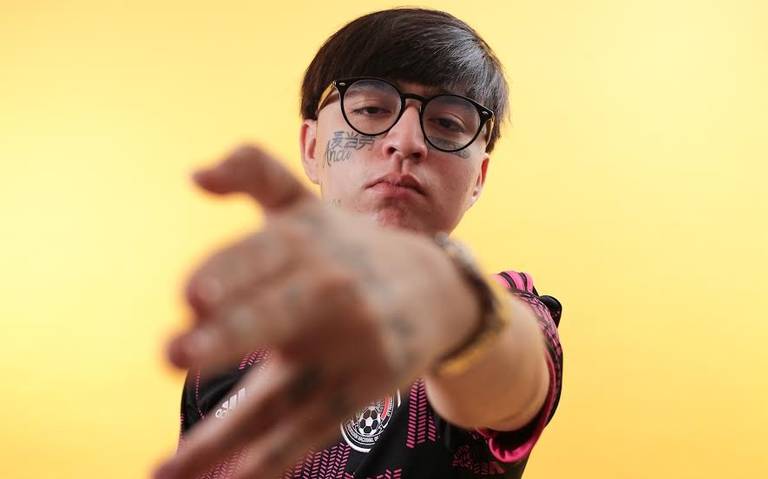
 Horizon Legal