
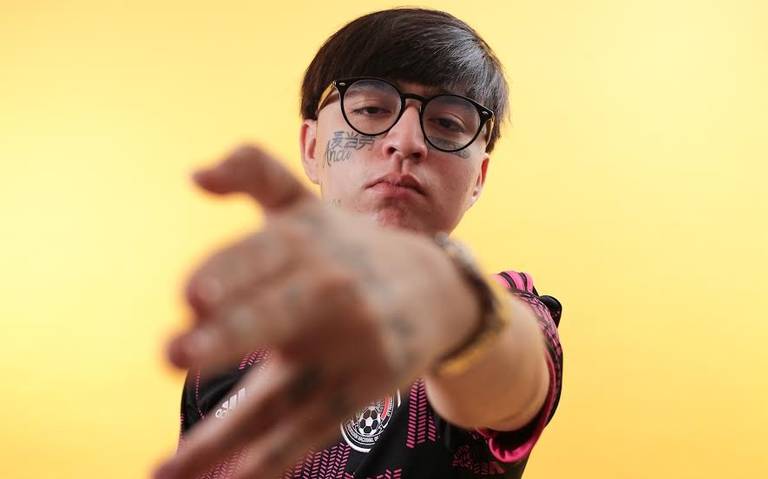
Dani Flow, a notable figure in the music industry, recently came under fire for his inflammatory comments regarding the sexual abuse case involving YouTuber Ricardo González, popularly known as “Rix,” and Nath Campos. The case gained significant attention in 2021 when González admitted guilt in the sexual abuse of Campos and was subsequently granted bail. Flow’s remarks, made in Spanish, have sparked outrage and controversy across various social media platforms and beyond.
In a shocking statement, Dani Flow expressed his disdain for Campos and others who have been vocal about the incident. He was quoted as saying, “That girl is worthless. I hate those girls and the ones who go out to vandalize the streets. They shouldn’t even be called girls.” His comments reflect a troubling disregard for the gravity of the situation and the victims involved. By labeling Campos and others who protest as “worthless,” Flow not only trivializes the trauma experienced by victims but also promotes a harmful narrative that undermines the validity of their experiences.
Flow’s critique extended beyond the specific case to a broader commentary on feminist movements and protests. He voiced his disapproval of feminist activism, expressing a desire that his daughter would not engage with such movements. “I don’t have a problem with people’s ideas, but I do have issues with them going out and causing chaos,” he remarked. This statement reveals a dismissive attitude towards the feminist cause, which seeks to address and combat systemic issues of gender inequality and violence. By labeling feminist protests as “chaos,” Flow’s comments seem to dismiss the legitimate grievances and demands for justice that these movements represent.
The backlash against Dani Flow is not only a reaction to his controversial statements but also an indication of broader concerns about the ideological stances prevalent among today’s youth. His remarks challenge the assumption that younger generations are inherently more progressive and socially aware. Instead, his comments suggest that misogynistic and regressive viewpoints still persist within this demographic, raising questions about the true nature of their social consciousness.
Furthermore, the role of social media in facilitating and amplifying such harmful rhetoric cannot be overlooked. Platforms that allow individuals to express their opinions, whether anonymously or openly, have also become venues for the propagation of misogynistic and hateful discourses. Dani Flow’s comments are a stark reminder of how these platforms can be used to perpetuate negative and dangerous ideologies, influencing the perspectives and behaviors of young audiences.
The intersection of celebrity influence and social media dynamics presents a complex landscape where public figures like Dani Flow wield significant power in shaping public opinion. The controversial nature of his statements underscores the responsibility that comes with such influence, highlighting the need for greater accountability and sensitivity in public discourse.
In conclusion, Dani Flow’s comments on the sexual abuse case involving Ricardo González and Nath Campos, as well as his disparaging remarks about feminist movements, have sparked significant controversy. His statements not only reflect a troubling disregard for the victims of sexual violence but also raise concerns about the ideological inclinations of today’s youth and the role of social media in perpetuating harmful narratives. The backlash against Flow serves as a critical reminder of the importance of addressing and challenging misogynistic and regressive viewpoints in both public and private spheres.
 Horizon Legal