
Introduction
Minimum wage laws are crucial for ensuring fair compensation for workers and reducing poverty. In South Korea, the minimum wage system plays a significant role in labor policy, influencing wage standards, employment conditions, and economic stability. This article explores the framework of South Korea’s minimum wage law, its objectives, implementation, and impact on the labor market.
Overview of Minimum Wage Law
South Korea’s minimum wage law was enacted in 1986, establishing a legal framework for setting minimum wage rates that apply to all workers, including part-time and temporary employees. The law aims to protect low-income workers and ensure a basic standard of living.
Objectives of Minimum Wage Law
- Protection of Workers: The primary objective is to safeguard low-wage earners by guaranteeing a minimum income level, helping to alleviate poverty.
- Fair Compensation: It aims to ensure that all workers receive fair pay for their labor, promoting equity in the workplace.
- Economic Stability: By ensuring a minimum income, the law contributes to economic stability and consumer spending, which can drive economic growth.
- Encouraging Productivity: A fair wage can motivate workers, potentially leading to increased productivity and job satisfaction.
Key Provisions of Minimum Wage Law
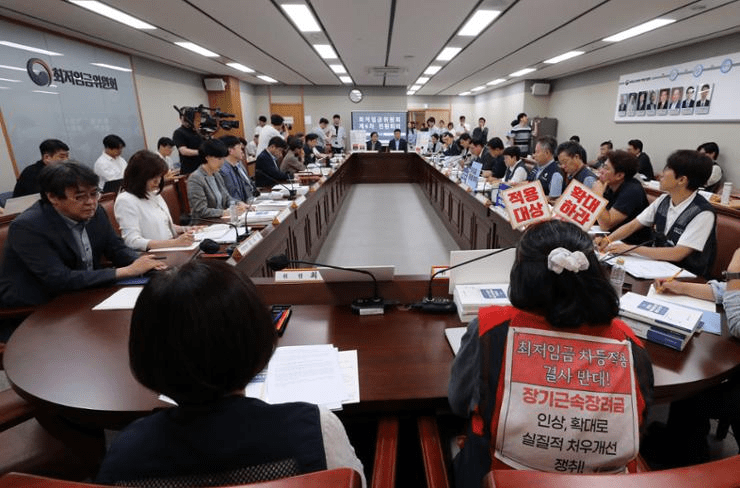
- Setting Minimum Wage Rates: The minimum wage is reviewed annually by the Minimum Wage Commission, which considers factors such as economic conditions, labor productivity, and the living standards of workers.
- Wage Coverage: The law applies to all employees, regardless of the nature of their employment (full-time, part-time, or temporary), with few exceptions.
- Penalties for Non-Compliance: Employers who fail to comply with the minimum wage law can face penalties, including fines and legal action.
- Exemptions: Certain categories of workers, such as those in small businesses or specific industries, may have different minimum wage rates or exemptions, but these are limited.
Impact on the Labor Market
- Reducing Wage Disparities: The minimum wage law has contributed to reducing income inequality by raising the earnings of low-wage workers.
- Increasing Living Standards: By guaranteeing a minimum level of income, the law helps improve the living standards of many workers and their families.
- Employment Effects: While some studies suggest that higher minimum wages can lead to reduced employment in certain sectors, others indicate that the overall impact is minimal, as increased consumer spending can stimulate job creation.
- Economic Growth: Increased earnings for low-wage workers can lead to higher consumer spending, contributing to overall economic growth.
https://www.indianaupdates.com/a-newbies-road-to-success-blogturbogeekorg-guide/
Challenges and Future Directions
Despite its positive effects, South Korea’s minimum wage law faces several challenges:
- Balancing Wage Increases with Business Viability: Continuous increases in the minimum wage must be balanced with the economic capacity of businesses, especially small and medium enterprises.
- Regional Disparities: Cost of living varies significantly across regions, leading to calls for region-specific minimum wage rates.
- Enforcement Issues: Ensuring compliance among employers, particularly in informal sectors, remains a challenge.
- Economic Conditions: The effects of external economic factors, such as inflation and global economic trends, can complicate the setting of minimum wage rates.
Conclusion
The minimum wage law in South Korea is a vital tool for promoting fair labor practices and improving the living standards of workers. While it has had significant positive impacts on reducing poverty and inequality, ongoing challenges necessitate careful consideration and adjustment. As economic conditions evolve, maintaining a balance between fair wages and the sustainability of businesses will be crucial for the continued success of the minimum wage system.
4o mini
 Horizon Legal