
The FTC Noncompete Ban: Implications and Insights

In recent years, the Federal Trade Commission (FTC) has focused on promoting fair competition and protecting workers’ rights in the labor market. One significant development in this effort is the proposed ban on noncompete agreements. This initiative aims to reshape the employment landscape, impacting businesses and employees alike.

Understanding Noncompete Agreements

Noncompete agreements are contracts that restrict employees from working for competing firms or starting similar businesses within a certain timeframe and geographic area after leaving their job. These agreements are intended to protect trade secrets, client relationships, and proprietary information. However, they have also faced criticism for limiting employee mobility and stifling competition.

The FTC’s Proposed Ban

In early 2023, the FTC proposed a rule to ban noncompete clauses in employment contracts nationwide. The rationale behind this proposal centers on the belief that such agreements hinder workers’ ability to seek better job opportunities, ultimately reducing wages and limiting economic growth.

The FTC argues that noncompete agreements disproportionately affect low-wage and mid-level employees, who may feel compelled to stay in unsatisfactory jobs due to fear of legal repercussions if they try to switch employers. The agency contends that removing these restrictions will empower workers, foster innovation, and enhance competition in the marketplace.

Key Aspects of the Proposed Ban

  1. Broad Applicability: The ban would apply to a wide range of industries and sectors, impacting both large corporations and small businesses.
  2. Retroactive Enforcement: The FTC’s proposal includes provisions to make existing noncompete agreements unenforceable, potentially allowing employees to pursue new job opportunities without legal barriers.
  3. Public Comment Period: Following the announcement, the FTC opened a public comment period to gather feedback from stakeholders, including businesses, labor organizations, and the general public.

https://www.indianaupdates.com/sound-of-an-angry-grunt-nyt/

Implications for Employers and Employees

The proposed ban carries significant implications:

  • For Employers: Companies may need to reevaluate their employment contracts and reconsider their strategies for protecting proprietary information. Employers might have to rely on other means, such as confidentiality agreements or stronger onboarding processes, to safeguard their interests.
  • For Employees: If the ban is enacted, employees would gain greater freedom to pursue new job opportunities without the fear of violating noncompete clauses. This could lead to increased job mobility, higher wages, and more competitive labor markets.

Criticism and Concerns

While many labor advocates support the ban, there are concerns from various business groups. Critics argue that noncompete agreements can be essential for protecting business interests, particularly in industries where proprietary knowledge is critical. They fear that a blanket ban might undermine companies’ abilities to safeguard their competitive advantages.

Conclusion

The FTC’s proposed ban on noncompete agreements represents a significant shift in labor policy, with the potential to reshape the employment landscape in the United States. By promoting employee mobility and fostering competition, the ban aims to create a more dynamic economy. As the public comment period progresses and stakeholders weigh in, the final outcome will be closely watched by both employers and employees alike. The implications of this change could redefine the balance between protecting business interests and promoting worker rights in the years to come.


Understanding Electric Field Concepts

Electric fields are a fundamental aspect of electromagnetism, influencing how charged particles interact with one another. To grasp electric fields, it’s essential to consider their sources, effects, and how they shape our understanding of physics.

What is an Electric Field?

An electric field is a region around a charged object where other charged objects experience a force. This force can either attract or repel, depending on the nature of the charges involved. The strength and direction of an electric field can be visualized using field lines, which emanate from positive charges and terminate at negative charges.

Sources of Electric Fields

The primary sources of electric fields are charged particles. When a particle carries an electric charge, it creates an electric field in the surrounding space. The intensity of this field diminishes with distance from the charge, following specific mathematical relationships.

Effects of Electric Fields

Electric fields have several notable effects:

  1. Force on Charges: When another charged particle enters an electric field, it experiences a force proportional to the strength of the field and the amount of charge it carries. This interaction is pivotal in many physical phenomena.
  2. Field Interaction: Electric fields can interact with one another. For instance, when two charged objects are brought close together https://www.indianaupdates.com/understanding-stock-dividends/, their electric fields will influence each other, leading to changes in the forces they exert.
  3. Potential Energy: Electric fields also relate to potential energy. A charged object in an electric field possesses potential energy based on its position relative to other charges. This energy can be converted to kinetic energy as the charged object moves within the field.

Measuring Electric Fields

Electric fields are measured in volts per meter (V/m). The measurement quantifies how much potential difference exists over a given distance. This helps scientists and engineers determine how electric fields will affect various systems, from electrical circuits to biological tissues.

Applications in Technology

Electric fields play a crucial role in numerous technologies:

  • Capacitors: Used in circuits to store energy, capacitors rely on electric fields to function effectively.
  • Electrostatic Precipitators: These devices use electric fields to remove particles from gases, proving invaluable in pollution control.
  • Medical Devices: Techniques like electrophoresis employ electric fields to separate molecules, aiding in medical diagnostics and research.

Conclusion

Understanding electric fields is vital in the realm of physics and engineering. By exploring how charged particles interact and the resulting effects, we gain insights into a wide array of natural phenomena and technological applications. This foundational knowledge continues to drive innovations across various fields, highlighting the importance of electric fields in both theory and practice.

Understanding ACAS Login Law: An Overview

The Advisory, Conciliation and Arbitration Service (ACAS) is an organization in the UK that provides advice and guidance on workplace relations, including employment law and dispute resolution. ACAS plays a vital role in helping employers and employees understand their rights and responsibilities, facilitating better working relationships and reducing the need for legal disputes.

What is ACAS?

Founded in 1975, ACAS offers a range of services, including:

  • Advisory Services: Providing guidance on employment law, best practices in workplace management, and how to handle specific issues like disciplinary actions or grievances.
  • Mediation and Conciliation: Assisting in resolving disputes between employers and employees through mediation to avoid lengthy and costly tribunal processes.
  • Training and Resources: Offering training sessions, workshops, and a wealth of resources to help organizations improve their employment practices.

ACAS Login and Online Resources

ACAS has a dedicated online platform where users can access a variety of resources and tools. The ACAS login feature allows registered users to:

  • Access tailored guidance and documents.
  • Participate in online training courses and webinars.
  • Download important templates and resources related to employment law.

Importance of ACAS in Employment Law

  1. Preventing Disputes: By offering clear advice and guidance, ACAS helps employers and employees avoid misunderstandings and conflicts, fostering a more harmonious workplace.
  2. Supporting Fair Practices: ACAS promotes fair treatment in the workplace, advocating for best practices that comply with employment law.
  3. Facilitating Resolution: In cases where disputes arise, ACAS provides mediation services, helping both parties reach a satisfactory resolution without resorting to legal action.
  4. Educational Role: Through its resources, ACAS educates employers and employees about their rights and responsibilities, contributing to a more informed workforce.

Accessing ACAS Resources

To access ACAS resources, users typically need to create an account and log in. Here’s how to get started:

  1. Visit the ACAS Website: Navigate to the official ACAS website.
  2. Create an Account: If you are a new user, follow the prompts to create an account, providing necessary information like your name, email address, and organization details.
  3. Log In: Use your credentials to log in to your account.
  4. Explore Resources: Once logged in, you can access various tools, resources, and courses tailored to your needs.

Conclusion

ACAS plays a pivotal role in promoting good workplace practices and providing essential support in employment law matters. Its online resources and guidance are invaluable for both employers and employees, helping to create a fair and equitable working environment. By understanding and utilizing ACAS services, organizations can improve their workplace relations and reduce the likelihood of disputes, contributing to a more positive and productive work atmosphere.

Understanding Probation Law: A Comprehensive Overview

Probation law is a crucial aspect of the criminal justice system that allows offenders to serve their sentences in the community under specific conditions rather than in prison. This legal framework aims to balance the need for punishment and rehabilitation, reducing incarceration rates while providing a second chance to those who demonstrate the potential for reform. This article will explore the fundamentals of probation law, its purposes, procedures, and implications for both offenders and society.

What is Probation?

Probation is a court-ordered period during which an offender is allowed to live in the community under supervision instead of serving time in prison. It is often granted as an alternative to incarceration for first-time or non-violent offenders, or as part of a plea deal. The conditions of probation can vary widely, including regular check-ins with a probation officer, mandatory employment, drug testing, community service, and restrictions on travel or associations.

Purpose of Probation

The primary purposes of probation include:

  1. Rehabilitation: Probation is designed to help offenders reintegrate into society by providing support and resources. This approach focuses on addressing the underlying issues that may have contributed to criminal behavior, such as substance abuse or mental health issues.
  2. Public Safety: By allowing offenders to serve their sentences in the community, probation aims to reduce prison overcrowding while still holding individuals accountable for their actions. Supervision ensures that offenders comply with court-imposed conditions, minimizing the risk of reoffending.
  3. Restorative Justice: Probation often emphasizes repairing the harm caused by criminal behavior, encouraging offenders to take responsibility for their actions and engage with victims when appropriate.

The Probation Process

The process of probation typically involves several key steps:

  1. Sentencing: After a conviction, the judge may decide to impose probation as part of the sentence. This decision can be influenced by factors such as the nature of the crime, the offender’s criminal history, and the likelihood of rehabilitation.
  2. Probation Conditions: The judge outlines specific conditions that the offender must follow. These conditions are tailored to the individual and may include various forms of supervision, counseling, or community service.
  3. Supervision: Probation officers are responsible for monitoring offenders to ensure compliance with the conditions set by the court. They provide support and resources to help offenders succeed and can report any violations to the court.
  4. Compliance and Violations: Offenders must adhere to all probation conditions. If they fail to do so, it can result in a probation violation, which may lead to additional penalties, including incarceration.
  5. Termination: Successful completion of probation can lead to the termination of the sentence. In some cases, individuals may seek expungement of their criminal records after fulfilling their probation terms.

Challenges and Criticisms

While probation serves many beneficial purposes, it is not without challenges and criticisms:

  1. Overburdened Systems: Probation departments often face high caseloads, making it difficult for officers to provide the level of support and supervision necessary for effective rehabilitation.
  2. Inequities: The probation system can sometimes reflect broader societal inequities. Factors such as race, socioeconomic status, and access to resources can influence the likelihood of receiving probation and the conditions imposed.
  3. Recidivism: Despite the intent of probation to rehabilitate, some studies indicate that certain populations may still experience high rates of recidivism, raising questions about the effectiveness of current probation practices.

Conclusion

Probation law plays a significant role in the criminal justice system by offering a pathway for offenders to reintegrate into society while maintaining public safety. As societal attitudes toward punishment and rehabilitation continue to evolve, there is an ongoing need for reform and improvement within probation systems. By addressing the challenges and enhancing support for both probation officers and offenders, we can better serve the dual goals of justice and rehabilitation, ultimately leading to safer and more resilient communities.

Understanding the EPS HRD Korea Law: A Comprehensive Overview

Introduction

The Employment Permit System (EPS) in South Korea has become a vital framework for managing the employment of foreign workers in various sectors, especially in industries facing labor shortages. The EPS HRD (Human Resource Development) Korea Law is instrumental in ensuring that foreign workers receive proper training and are integrated into the workforce effectively. This article delves into the details of the EPS HRD Korea Law, its implications, and its significance in the South Korean labor market.

What is the EPS?

The EPS was established in 2004 as part of South Korea’s efforts to address labor shortages in specific sectors while ensuring that the rights of foreign workers are protected. The system allows employers to hire foreign workers under a structured permit system, ensuring compliance with labor laws and regulations.

Key Features of the EPS

  1. Sector-Specific Employment: The EPS is targeted primarily at sectors that struggle to find local labor, such as agriculture, construction, and manufacturing.
  2. Quota System: The Korean government sets annual quotas for the number of foreign workers permitted in these sectors.
  3. Employment Contracts: Workers are required to enter into contracts that outline their rights, responsibilities, and working conditions.

The HRD Aspect of EPS

The HRD component of the EPS focuses on the training and development of foreign workers to enhance their skills and integration into the South Korean workforce. The law encompasses several critical areas:

1. Training Programs

Under the EPS HRD Korea Law, foreign workers are required to undergo training before starting their jobs. These training programs are designed to:

  • Equip workers with the necessary skills for their specific jobs.
  • Familiarize them with workplace safety and labor regulations.
  • Enhance their understanding of Korean culture and work ethics.

2. Skill Development

The law emphasizes continuous skill development for foreign workers. This is crucial not only for the workers’ professional growth but also for improving productivity and efficiency within companies. Various training institutes and programs are authorized to provide these essential skills.

https://www.indianaupdates.com/sound-of-an-angry-grunt-nyt/

3. Certification

Upon successful completion of training, workers may receive certifications that validate their skills. This certification can improve their employability and provide them with better job opportunities, both in South Korea and internationally.

Legal Framework and Enforcement

The EPS HRD Korea Law is enforced by the Ministry of Employment and Labor (MOEL) in South Korea. The ministry oversees the implementation of training programs and ensures compliance with labor regulations. Key responsibilities include:

  • Monitoring training providers to ensure they meet quality standards.
  • Conducting inspections to ensure that employers comply with labor laws and provide proper training for foreign workers.
  • Addressing grievances and complaints from foreign workers.

Challenges and Considerations

Despite the robust framework of the EPS HRD Korea Law, several challenges persist:

  1. Language Barrier: Language differences can hinder effective communication during training and integration.
  2. Cultural Differences: Adapting to a new work culture can be challenging for foreign workers, impacting their productivity and job satisfaction.
  3. Employer Compliance: Some employers may not fully adhere to the requirements of the EPS, leading to exploitation and poor working conditions for foreign workers.

Conclusion

The EPS HRD Korea Law plays a crucial role in enhancing the skills and integration of foreign workers in South Korea. By providing structured training and support, the law not only benefits workers but also addresses labor shortages in key industries. As the global economy continues to evolve, the importance of such frameworks will only grow, making it imperative for stakeholders to collaborate in ensuring effective implementation and compliance. Through continuous improvement and adaptation, the EPS HRD Korea Law can contribute significantly to a fair and productive labor market in South Korea.

Understanding Termination Law: A Comprehensive Overview

Termination law encompasses a set of legal principles and regulations that govern the process of ending an employment relationship. This area of law is critical for both employers and employees, as it helps ensure that terminations are conducted fairly and legally. Understanding the nuances of termination law can help prevent disputes and protect rights in the workplace.

Types of Employment Termination

  1. Voluntary Termination: This occurs when an employee chooses to leave their job, commonly known as resignation. Employees may resign for various reasons, including personal circumstances, career changes, or dissatisfaction with their current position.
  2. Involuntary Termination: This type of termination happens when an employer decides to end an employee’s contract. Involuntary terminations can be further categorized into:
    • With Cause: This involves terminations due to employee misconduct, poor performance, or violation of company policies. Examples include theft, harassment, or chronic tardiness.
    • Without Cause: These terminations occur without specific fault on the part of the employee, often due to organizational restructuring, downsizing, or economic factors.
  3. Constructive Dismissal: This occurs when an employee resigns due to an employer’s actions that effectively force them to leave, such as significant changes in job duties, work environment, or harassment.

Legal Framework Governing Termination

Termination law is influenced by various federal, state, and local regulations, as well as contractual obligations. Key elements include:

1. Employment Contracts:

Contracts often outline the terms of employment, including grounds for termination. Employees may have specific rights or protections depending on their contracts, including notice periods or severance pay.

2. At-Will Employment:

In many jurisdictions, the default employment relationship is “at-will,” meaning employers can terminate employees for any reason, as long as it’s not illegal (e.g., discrimination). Employees can also leave without notice. However, some exceptions exist, including:

  • Public Policy Exception: Employees cannot be terminated for reasons that violate public policy, such as filing a workers’ compensation claim.
  • Implied Contract Exception: Even in at-will situations, an implied contract may exist based on employer policies or employee handbooks that can protect against wrongful termination.

3. Anti-Discrimination Laws:

Federal laws such as the Civil Rights Act, the Americans with Disabilities Act, and the Age Discrimination in Employment Act prohibit terminations based on race, color, religion, sex, national origin, disability, or age. Employees who believe they have been discriminated against can file complaints with the Equal Employment Opportunity Commission (EEOC) or state agencies.

4. Whistleblower Protections:

Laws protect employees who report illegal activities or safety violations from retaliation, including termination. These protections encourage reporting without fear of losing one’s job.

5. Unemployment Benefits:

Employees terminated without cause may be eligible for unemployment benefits, which provide temporary financial assistance while they seek new employment.

Best Practices for Employers

To mitigate the risk of legal disputes surrounding terminations, employers should consider the following best practices:

  1. Document Performance Issues: Maintain clear records of employee performance and any disciplinary actions taken. This documentation can provide a defense in the event of wrongful termination claims.
  2. Follow Company Policies: Adhere to established policies and procedures regarding termination, including any required notice periods or steps in the disciplinary process.
  3. Conduct Exit Interviews: Exit interviews can provide valuable feedback and help identify any underlying issues that may need addressing within the organization.
  4. Seek Legal Counsel: Before terminating an employee, especially in sensitive situations, consulting with legal experts can help ensure compliance with applicable laws and regulations.

Conclusion

Understanding termination law is essential for both employers and employees. While the ability to terminate employment is a fundamental aspect of the employer-employee relationship, it is accompanied by legal responsibilities and protections. By being informed about the legal framework and best practices, both parties can navigate the complexities of termination more effectively and reduce the risk of disputes.

Understanding the Labour Act: A Comprehensive Overview

The Labour Act is a fundamental piece of legislation that governs the relationship between employers and employees. It is designed to protect workers’ rights, establish fair working conditions, and promote social justice within the workplace. Here’s an in-depth look at the Labour Act, its objectives, key provisions, and its impact on labor relations.

Objectives of the Labour Act

  1. Protection of Workers’ Rights: The Act aims to safeguard the rights of employees, ensuring they are treated fairly and justly in the workplace.
  2. Regulation of Employment Conditions: It sets out standards for working hours, wages, leave, and benefits, promoting a balanced work-life environment.
  3. Promotion of Equality: The Act seeks to eliminate discrimination based on gender, race, religion, and other factors, fostering an inclusive workforce.
  4. Dispute Resolution: It provides mechanisms for resolving conflicts between employers and employees, ensuring grievances are addressed effectively.
  5. Encouragement of Collective Bargaining: The Act supports trade unions and collective bargaining, allowing workers to negotiate better employment terms.

Key Provisions of the Labour Act

While the specific provisions can vary by country, common elements of the Labour Act typically include:

  • Minimum Wage: Establishes a legal minimum wage that employers must adhere to.
  • Working Hours: Regulates maximum working hours, overtime pay, and mandatory rest periods.
  • Health and Safety Standards: Sets guidelines to ensure safe working conditions and protect employees from workplace hazards.
  • Leave Entitlements: Details provisions for annual leave, sick leave, maternity/paternity leave, and public holidays.
  • Termination Rights: Outlines lawful grounds for termination and the process to follow, protecting employees from unjust dismissal.
  • Anti-Discrimination Measures: Prohibits discrimination in hiring, promotions, and workplace treatment.

Impact on Employers and Employees

For Employers: Compliance with the Labour Act is essential to avoid legal repercussions. While adhering to these regulations may involve costs, it can lead to higher employee morale, reduced turnover, and increased productivity.

For Employees: The Labour Act empowers workers by providing legal recourse for unfair treatment and ensuring their rights are upheld. Knowledge of these rights enhances job security and workplace satisfaction.

Challenges and Future Directions

The Labour Act faces several challenges:

  • Enforcement: Ensuring compliance, especially in informal sectors, can be difficult.
  • Changing Work Environments: The rise of remote and gig work necessitates updates to existing labor laws.
  • Globalization: Operating across borders complicates the enforcement of consistent labor standards.

To address these challenges, continuous dialogue among stakeholders is crucial. Adapting the Labour Act to reflect the evolving nature of work will help maintain its relevance and effectiveness.

Conclusion

The Labour Act is vital for establishing fair labor practices and protecting workers’ rights. By understanding its objectives and provisions, both employers and employees can contribute to a more equitable and productive workplace. Ongoing advocacy and reform are necessary to ensure that labor laws keep pace with changing economic and social landscapes, ultimately promoting a fairer labor market for all.

Understanding ACAS Law in the UK

Introduction

The Advisory, Conciliation and Arbitration Service (ACAS) plays a crucial role in the UK’s labor relations framework. Established to promote fair and effective workplace practices, ACAS provides guidance, mediation, and arbitration services to both employers and employees. This article explores the key aspects of ACAS law, its objectives, functions, and impact on labor relations in the UK.

Objectives of ACAS

  1. Promote Fair Employment Practices: ACAS aims to foster fair treatment in the workplace, ensuring that both employees and employers understand their rights and responsibilities.
  2. Resolve Workplace Disputes: The organization provides a framework for resolving disputes through mediation and conciliation, minimizing the need for formal legal action.
  3. Encourage Dialogue: ACAS promotes constructive dialogue between employers and employees, encouraging effective communication and collaboration.
  4. Provide Information and Guidance: ACAS offers comprehensive resources to help both employers and employees navigate employment law and best practices.
  5. Support Employment Rights: ACAS works to ensure that employees are aware of their rights under employment law, providing guidance on issues such as discrimination, dismissal, and redundancy.

Key Functions of ACAS

  1. Mediation and Conciliation: ACAS provides mediation services to help resolve disputes between employers and employees before they escalate to employment tribunals. Conciliation involves negotiating between parties to reach a mutually acceptable resolution.
  2. Advisory Services: ACAS offers advice to employers and employees on a range of employment issues, including contracts, rights at work, and dispute resolution.
  3. Training and Workshops: The organization provides training sessions and workshops for employers, HR professionals, and employee representatives on topics such as effective management practices and compliance with employment law.
  4. Policy Development: ACAS contributes to the development of employment policy in the UK by conducting research and offering insights into labor market trends and issues.
  5. Information Resources: ACAS publishes guides, codes of practice, and other resources to help employers and employees understand their rights and responsibilities.

Impact on Labor Relations

  1. Reduced Conflict: By facilitating mediation and conciliation, ACAS helps reduce workplace conflict, leading to more harmonious labor relations.
  2. Empowerment of Employees: Through education and information, ACAS empowers employees to understand their rights and navigate workplace issues effectively.
  3. Support for Employers: ACAS provides valuable resources to employers, helping them to comply with employment law and improve workplace practices, thereby reducing the risk of disputes.
  4. Promotion of Best Practices: The advisory role of ACAS encourages the adoption of best practices in human resource management, contributing to a more productive and engaged workforce.

Challenges and Future Directions

Despite its successes, ACAS faces challenges in the evolving labor landscape:

  1. Changing Nature of Work: The rise of gig economy jobs and remote work presents new challenges for dispute resolution and policy development.
  2. Resource Limitations: As demand for ACAS services increases, there are concerns about the adequacy of resources to meet the needs of both employers and employees.
  3. Awareness and Accessibility: Ensuring that all workers, especially those in precarious employment, are aware of ACAS services remains a priority.
  4. Legislative Changes: Ongoing changes to employment law may require ACAS to adapt its services and guidance continually.

Conclusion

ACAS plays a vital role in the UK labor market by promoting fair employment practices and facilitating the resolution of workplace disputes. Its commitment to providing guidance and support helps create a more equitable and harmonious working environment. As the nature of work continues to evolve, ACAS will need to adapt to meet new challenges and ensure that both employees and employers can navigate the complexities of labor relations effectively.

Understanding Labor Law in South Korea

Introduction

Labor law in South Korea plays a critical role in regulating the relationship between employers and employees, ensuring fair treatment, workplace safety, and rights protection. As the South Korean economy has evolved, so too has its labor law framework, adapting to new challenges and societal changes. This article provides an overview of key aspects of labor law in South Korea, including its objectives, key provisions, and its impact on the workforce.

Objectives of Labor Law

  1. Protection of Workers’ Rights: The primary aim is to safeguard the rights of employees, ensuring fair treatment in the workplace.
  2. Promotion of Fair Labor Practices: Labor laws seek to create a balanced relationship between employers and employees, fostering mutual respect and cooperation.
  3. Enhancement of Workplace Safety: Ensuring safe working conditions is a fundamental objective, helping to prevent workplace accidents and health hazards.
  4. Facilitation of Collective Bargaining: Labor laws support the right to organize and engage in collective bargaining, empowering workers to negotiate better terms of employment.
  5. Promotion of Social Welfare: By setting standards for wages, working hours, and benefits, labor laws contribute to the overall well-being of workers and their families.

Key Provisions of Labor Law

  1. Employment Contracts: Labor laws require that employment contracts clearly outline the terms of employment, including wages, working hours, and job responsibilities.
  2. Working Hours and Rest Periods: The law sets limits on working hours, mandating maximum hours per week and ensuring employees receive adequate rest and breaks.
  3. Wages and Minimum Wage: Labor laws stipulate the payment of wages, including the enforcement of minimum wage standards to protect low-income workers.
  4. Workplace Safety and Health: Employers are obligated to provide a safe working environment, following regulations set by the Ministry of Employment and Labor.
  5. Maternity and Parental Leave: The law provides for maternity leave, paternity leave, and parental leave, ensuring job security during and after parental leave.
  6. Anti-Discrimination Provisions: Labor laws prohibit discrimination based on gender, age, disability, and other factors, promoting equality in the workplace.
  7. Collective Bargaining and Unions: Workers have the right to form and join trade unions, and to engage in collective bargaining for better wages and working conditions.

Impact on the Workforce

  1. Improved Working Conditions: Labor laws have led to significant improvements in working conditions, including health and safety standards.
  2. Protection Against Exploitation: The legal framework helps protect workers from unfair labor practices, such as wage theft and unjust termination.
  3. Empowerment of Workers: By supporting collective bargaining and unionization, labor laws empower workers to negotiate better employment terms.
  4. Economic Stability: A fair and regulated labor market contributes to overall economic stability and growth by ensuring that workers are compensated fairly and have the means to participate in the economy.

Challenges and Future Directions

Despite its successes, South Korea’s labor law framework faces several challenges:

  1. Informal Employment: A significant portion of the workforce is in informal employment, making it difficult to enforce labor laws effectively.
  2. Work-Life Balance: The traditional work culture often leads to long working hours, prompting calls for reforms to promote better work-life balance.
  3. Aging Workforce: As the population ages, labor laws must adapt to address the needs of older workers and promote their participation in the workforce.
  4. Globalization and Technology: The rise of gig economy jobs and remote work presents new challenges for labor law, requiring updates to protect workers in these evolving sectors.

Conclusion

Labor law in South Korea is essential for protecting workers’ rights, promoting fair labor practices, and ensuring workplace safety. While the framework has led to significant improvements in working conditions and employee rights, ongoing challenges necessitate continued reforms and adaptations. As the labor market evolves, South Korea’s labor laws will need to remain responsive to changes, ensuring that all workers are treated fairly and equitably in a dynamic economy.

Understanding Minimum Wage Law in South Korea

Introduction

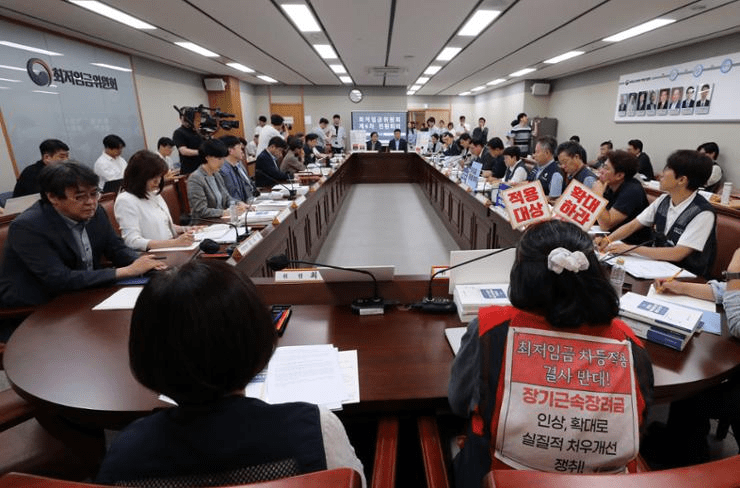
Minimum wage laws are crucial for ensuring fair compensation for workers and reducing poverty. In South Korea, the minimum wage system plays a significant role in labor policy, influencing wage standards, employment conditions, and economic stability. This article explores the framework of South Korea’s minimum wage law, its objectives, implementation, and impact on the labor market.

Overview of Minimum Wage Law

South Korea’s minimum wage law was enacted in 1986, establishing a legal framework for setting minimum wage rates that apply to all workers, including part-time and temporary employees. The law aims to protect low-income workers and ensure a basic standard of living.

Objectives of Minimum Wage Law

  1. Protection of Workers: The primary objective is to safeguard low-wage earners by guaranteeing a minimum income level, helping to alleviate poverty.
  2. Fair Compensation: It aims to ensure that all workers receive fair pay for their labor, promoting equity in the workplace.
  3. Economic Stability: By ensuring a minimum income, the law contributes to economic stability and consumer spending, which can drive economic growth.
  4. Encouraging Productivity: A fair wage can motivate workers, potentially leading to increased productivity and job satisfaction.

Key Provisions of Minimum Wage Law

  1. Setting Minimum Wage Rates: The minimum wage is reviewed annually by the Minimum Wage Commission, which considers factors such as economic conditions, labor productivity, and the living standards of workers.
  2. Wage Coverage: The law applies to all employees, regardless of the nature of their employment (full-time, part-time, or temporary), with few exceptions.
  3. Penalties for Non-Compliance: Employers who fail to comply with the minimum wage law can face penalties, including fines and legal action.
  4. Exemptions: Certain categories of workers, such as those in small businesses or specific industries, may have different minimum wage rates or exemptions, but these are limited.

Impact on the Labor Market

  1. Reducing Wage Disparities: The minimum wage law has contributed to reducing income inequality by raising the earnings of low-wage workers.
  2. Increasing Living Standards: By guaranteeing a minimum level of income, the law helps improve the living standards of many workers and their families.
  3. Employment Effects: While some studies suggest that higher minimum wages can lead to reduced employment in certain sectors, others indicate that the overall impact is minimal, as increased consumer spending can stimulate job creation.
  4. Economic Growth: Increased earnings for low-wage workers can lead to higher consumer spending, contributing to overall economic growth.

https://www.indianaupdates.com/a-newbies-road-to-success-blogturbogeekorg-guide/

Challenges and Future Directions

Despite its positive effects, South Korea’s minimum wage law faces several challenges:

  1. Balancing Wage Increases with Business Viability: Continuous increases in the minimum wage must be balanced with the economic capacity of businesses, especially small and medium enterprises.
  2. Regional Disparities: Cost of living varies significantly across regions, leading to calls for region-specific minimum wage rates.
  3. Enforcement Issues: Ensuring compliance among employers, particularly in informal sectors, remains a challenge.
  4. Economic Conditions: The effects of external economic factors, such as inflation and global economic trends, can complicate the setting of minimum wage rates.

Conclusion

The minimum wage law in South Korea is a vital tool for promoting fair labor practices and improving the living standards of workers. While it has had significant positive impacts on reducing poverty and inequality, ongoing challenges necessitate careful consideration and adjustment. As economic conditions evolve, maintaining a balance between fair wages and the sustainability of businesses will be crucial for the continued success of the minimum wage system.

4o mini